November 11, 2026
Many businesses rely heavily on obtaining the right machinery and tools to complete their daily operations successfully. Rather than purchasing heavy machinery outright, business owners frequently turn to local suppliers to keep costs down and maintain flexibility. Here are seven sectors that consistently benefit from short-term or long-term leases to get the job done right.
1. The Construction and Contracting Sector
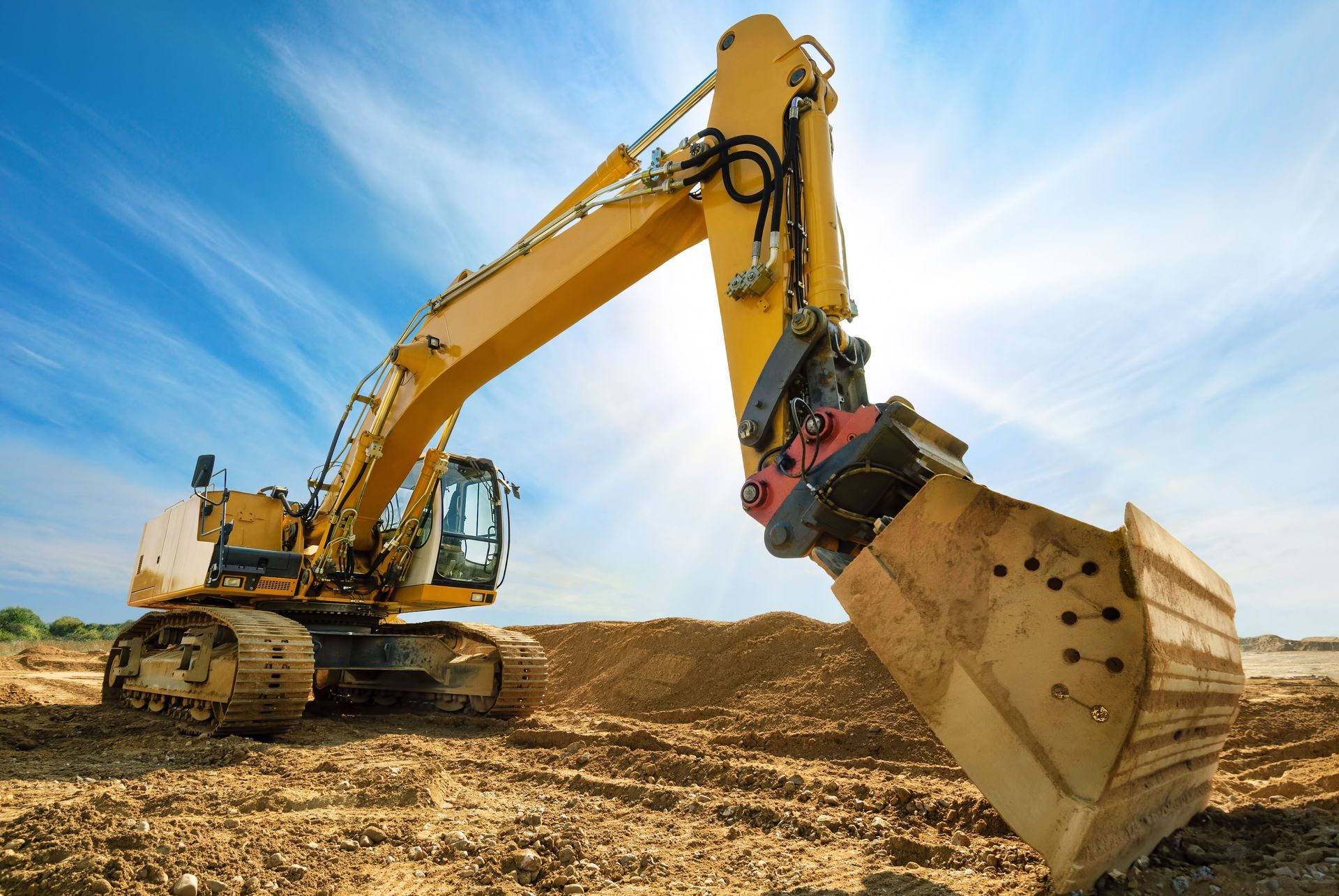
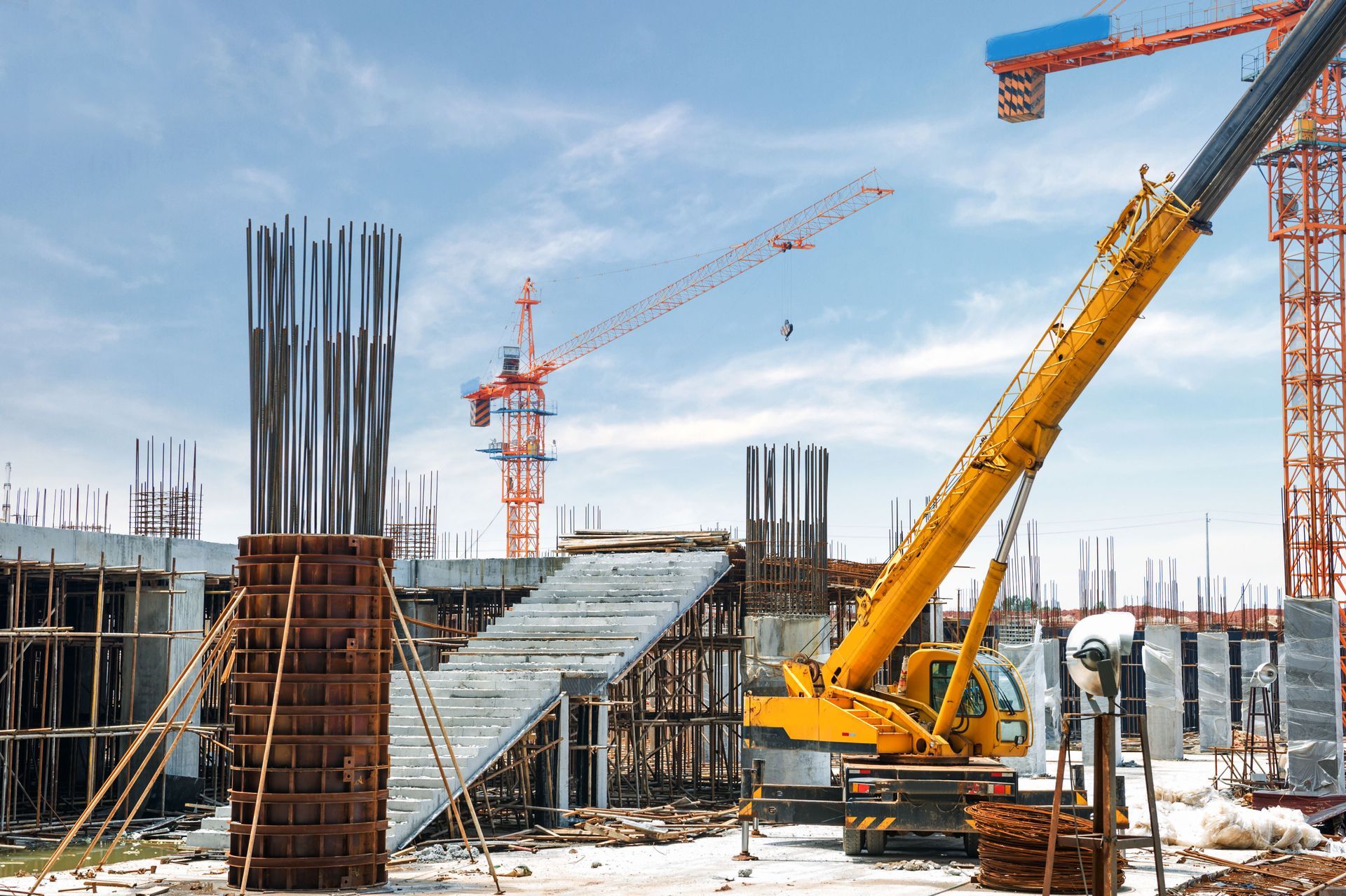
Construction companies frequently rely on leased machinery to maintain steady workflows. Rather than investing in machinery that sits idle between jobs, contractors turn to local suppliers for skid steers, backhoes, and loaders. According to Mordor Intelligence, the market for construction equipment rentals across North America is projected to expand to $38.29 billion in 2026, an increase from $36.76 billion in 2025. This growth highlights how heavily builders rely on flexible access to heavy machinery and attachments. Firms that borrow machinery experience fewer maintenance headaches and spend less money on storage. By utilizing trenchers, trailers, and demolition hammers, a company can scale operations depending on project demands. Additionally, interior and exterior contractor tools like scaffolding and concrete cutters are readily available for specific phases of a build. This strategic approach allows crews to complete jobs efficiently while keeping overhead costs manageable. It is common for a firm to save between 5% and 8% on overall operational costs simply by avoiding ownership burdens, insurance premiums, and depreciation.
2. The Landscaping and Groundskeeping Industry
Professionals who maintain outdoor spaces often need advanced tools that are only necessary for certain seasons or specific tasks. Landscapers frequently acquire temporary access to lawn and garden items such as aerators, tillers, and log splitters to manage large properties efficiently. Utilizing equipment rentals allows groundskeeping businesses to offer a wider variety of services without having to purchase every single machine outright. For instance, removing a stump or clearing brush requires heavy-duty chainsaws and stump grinders that a small business only needs two or three times a year. Seasonal demands also mean that certain items are only useful for a few months. When companies borrow these items, they take on fewer financial risks and dedicate less space to storage. A professional landscaping firm can also easily source earthmoving machinery like mini-loaders to contour land or install large hardscaping features. This flexibility helps businesses adapt to client requests, manage cash flow better, and maintain high standards throughout the year.
3. The Event Planning and Hospitality Business
Organizing large gatherings requires significant temporary infrastructure. Event planners constantly coordinate outdoor weddings, corporate retreats, and community festivals that demand specific supplies for just one or two days. Instead of buying bulky items, hospitality managers rely on temporary supplies to accommodate varying guest counts and layouts. Planners regularly need the following items to run a successful gathering:
- Generators to supply reliable electricity for outdoor lighting and sound systems
- Fans and blowers to keep guests comfortable during warmer months
- Tables and chairs to accommodate large crowds comfortably
- Heaters to warm up open-air venues during chilly evenings
By opting for temporary supplies, coordinators can focus entirely on delivering a memorable experience for guests. They spend less time worrying about logistics and face fewer issues with broken or outdated materials. This flexibility allows planners to scale up for a massive festival or scale down for an intimate backyard barbecue without missing a single detail.
4. The Disaster Recovery and Remediation Field
When natural disasters occur, cleanup crews must act quickly to mitigate property damage. The remediation sector handles floods, fires, and storm damage, which requires heavy-duty machines to restore safety to a building. Because emergencies are unpredictable, remediation companies often turn to rental providers to source power and remediation machinery on short notice. High-capacity dehumidifiers, HEPA air scrubbers, and water extraction pumps are essential for drying out flooded structures and removing hazardous particles from the air. Buying enough of these units to handle a massive regional flood is financially impractical for most local businesses. Therefore, they secure extra generators and sump pumps from hardware suppliers when a severe storm hits. This strategy verifies that crews have enough machinery to support multiple affected properties simultaneously without going over budget. By borrowing what they need, cleanup teams experience fewer delays in response times and spend less capital on emergency inventory.
5. The Commercial Cleaning and Facility Maintenance Field
Maintaining large commercial properties requires professional-grade cleaning tools that can handle heavy foot traffic and stubborn stains. Janitorial teams and facility managers frequently need industrial floor care machines to keep schools, hospitals, and office buildings looking presentable at all times. Rather than maintaining a large fleet of scrubbers, managers follow simple steps to handle deep cleaning effectively:
- Assess the specific floor type, such as hardwood, tile, or polished concrete.
- Acquire temporary access to heavy-duty floor scrubbers, carpet cleaners, or floor sanders.
- Execute the deep-cleaning process over a weekend or during off-hours to avoid disrupting tenants.
- Return the machinery promptly to avoid paying for ongoing upkeep or storage.
This sector relies on borrowed tools to execute specific tasks like polishing concrete or sanding hardwood floors. Using temporary machinery means facilities spend less money on repairs and store fewer bulky items in utility closets. Surface preparation tools and pressure washers are also sourced to blast away grime from exteriors and sidewalks, keeping properties looking clean and inviting.
6. The Painting and Exterior Maintenance Industry
Painters and siding contractors face logistical challenges when working on multi-story buildings or commercial properties. Reaching high elevations safely requires sturdy structures, professional-grade lifts, and reliable ladders. The painting sector regularly utilizes equipment rentals to access interior and exterior contractor supplies that make high-altitude work possible and safe. Purchasing a mechanical lift or scaffolding rig is a major investment that requires constant inspections, routine maintenance, and transport trailers. By acquiring these lifts temporarily, a painting crew can work through logistical hurdles with ease. They also frequently source industrial paint sprayers, siding brakes, and high-powered pressure washers to prepare surfaces properly before applying fresh coats of paint. Working with temporary tools allows contractors to accept diverse jobs, from single-story homes to five-story buildings. They deal with fewer maintenance requirements and commit less capital to machinery that depreciates over time. This approach confirms that crews have access to modern, safe structures when working far above the ground.
7. The Plumbing and Underground Utility Trade
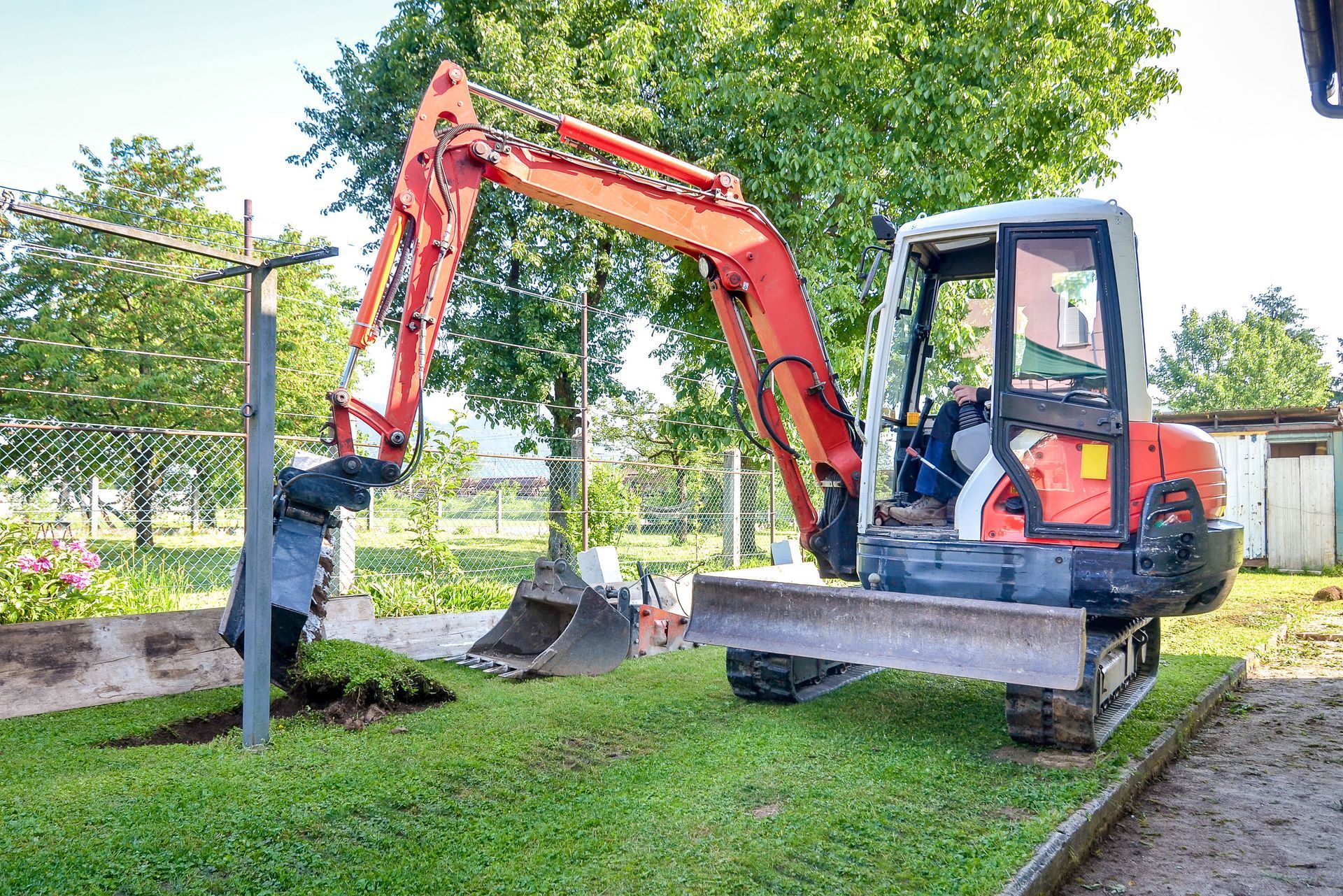
Plumbers and utility workers constantly dig trenches to access pipes, install drainage systems, and repair buried electrical lines. This type of strenuous work requires robust earthmoving machines and concrete cutters to break through paved surfaces and dig deep into the soil. Because plumbing jobs vary in scope, tradespeople often depend on equipment rentals to source the exact machines they need for a specific site. For example, replacing a main sewer line will require a mini-excavator and a demolition hammer to break through a concrete driveway. A business can secure these heavy-duty items for three or four days, finish the repair, and return them. This keeps operating overhead incredibly low. Plumbers who borrow trenchers and loaders face fewer transportation issues and require less storage space at their workshops. They also borrow water pumps and hand tools to manage severe leaks or clear out flooded basements. Using temporary machinery confirms that utility workers can handle completely unpredictable underground environments efficiently.
Operating a successful business often comes down to managing resources wisely, anticipating client needs, and keeping overhead costs under control. Across numerous sectors, from contracting to event planning, professionals rely on temporary machinery to maintain efficiency on the job. Taking full advantage of equipment rentals allows companies to access modern, well-maintained tools without the heavy burden of long-term ownership. Whether a crew needs a skid steer for a week or a floor scrubber for two days, borrowing tools provides a practical solution for growing businesses. They deal with fewer repair bills, spend less money on storage, and adapt to new challenges instantly. If you need reliable tools for your next project, contact VHR Rental & True Value Hardware.